
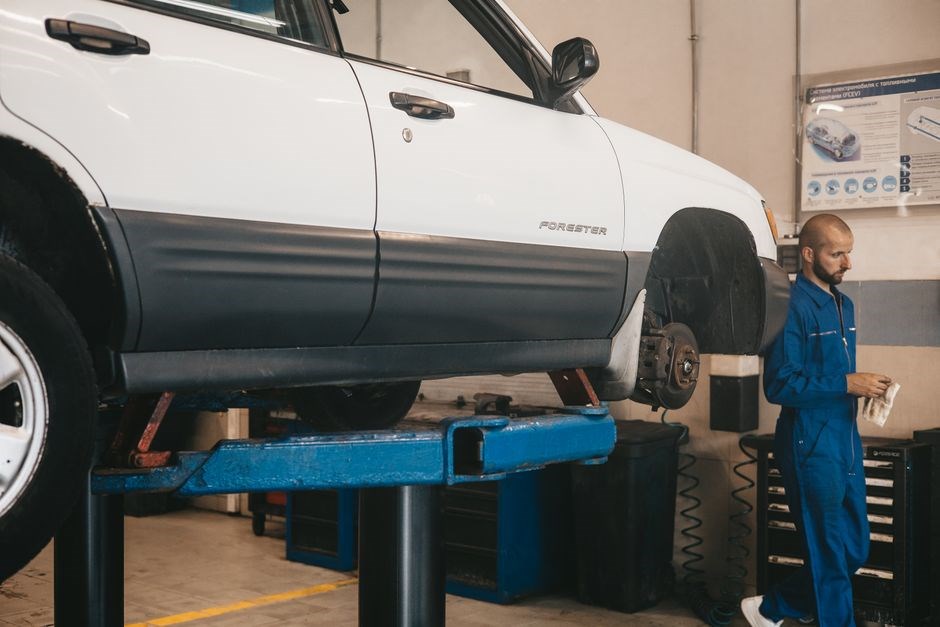
Welcome to the 2017 Subaru Forester Owner’s Manual. This guide offers concise information on vehicle features, safety, maintenance, and troubleshooting. Follow the sections to understand your Forester’s capabilities, keep it running smoothly and enjoy safe, reliable driving. Follow safety protocols calm.!!
Purpose of the Manual
The purpose of this Owner’s Manual is to provide you with essential information and guidance for operating, maintaining, and enjoying your 2017 Subaru Forester. It serves as a comprehensive reference that explains the vehicle’s features, safety systems, and operational procedures in clear, concise language. By familiarizing yourself with the manual, you can maximize performance, extend the life of key components, and ensure compliance with all safety regulations. The manual includes detailed instructions on how to start the engine, use the infotainment system, adjust seating and mirrors, and manage the vehicle’s advanced driver‑assist features. It also outlines routine maintenance schedules, troubleshooting tips, and emergency procedures to help you respond effectively to unexpected situations. Additionally, the manual highlights Subaru’s commitment to safety and environmental stewardship, offering guidance on eco‑driving practices and proper disposal of hazardous materials. By following the recommendations and guidelines presented here, you will be better equipped to protect yourself, your passengers, and the environment while enjoying the reliability and performance that the 2017 Forester delivers. Owners should consult the maintenance schedule in the appendix and follow the recommended service intervals to keep the Forester running smoothly. The manual details how to use onboard diagnostics, read fault codes, and perform basic troubleshooting, allowing quick resolution of minor issues. Staying proactive reduces repair costs and ensures peace of mind on every drive for lasting value now.
How to Use This Plan
Use this manual as a living document that evolves with your ownership experience. Begin by reading the table of contents to locate sections that match your immediate needs—whether you’re learning how to start the engine, adjusting the seat, or scheduling an oil change. The front pages provide a quick‑reference guide: a glossary of terms, a list of safety warnings, and a summary of the vehicle’s key features. For deeper understanding, turn to the dedicated sections that explain each system in detail. The manual uses a consistent layout: a heading, a concise description, and illustrative diagrams. Follow the numbered steps for procedures such as changing a tire, checking fluid levels, or resetting the maintenance light. If you encounter a fault code, consult the diagnostic section, which lists common codes, their meanings, and recommended actions. The troubleshooting guide offers a flowchart that helps you isolate issues quickly. Remember to keep the manual in the glove compartment for easy access during trips. When you perform routine maintenance, refer to the maintenance schedule to ensure you meet Subaru’s recommended intervals. Finally, if you need additional support, the contact information for Subaru dealerships and customer service is located in the back of the manual. By treating this manual as your primary resource, you’ll maintain your Forester’s performance, safety, and value throughout its lifespan. The warranty section explains coverage details, claim steps, and how to keep your vehicle protected. For any service questions, contact your local Subaru dealer for assistance. Regular maintenance and driving will extend the life of your Forester. Enjoy the journey. Drive safely. Enjoy! Ok


Vehicle Overview
Experience the 2017 Subaru Forester’s blend of rugged capability and refined comfort. Its sleek exterior, spacious interior, and advanced safety tech make every drive confident and enjoyable. Explore features that enhance performance, connectivity, and protection. for all seasons.!

Exterior Features
The 2017 Subaru Forester showcases a bold, aerodynamic silhouette that balances sportiness with practicality. Its signature front fascia features a wide, chrome‑accented grille, dual LED daytime running lights, and a sleek hood scoop that enhances airflow. The roofline rises gracefully, offering generous headroom while maintaining a low profile.
All‑weather styling is complemented by 17‑inch alloy wheels with a modern, multi‑spoke design, available in a dark gray finish that accentuates the vehicle’s rugged stance. The rear employs a rear spoiler and integrated tail lights.
Subaru’s EyeSight® driver‑assist technology is visibly integrated, with blind‑spot monitoring sensors mounted near the rearview mirror. The front bumper houses a rain‑sensing wiper system that adapts to precipitation intensity, while the rear bumper features a rear‑view camera mount for enhanced visibility.
Exterior convenience is enhanced by a power‑folding rear spoiler, a keyless entry system, and a 60‑amp dual‑socket charging port for electric accessories. The vehicle’s robust, all‑weather body panels are engineered to withstand harsh climates, and the available all‑weather floor mats protect the interior from mud and snow.
Overall, the 2017 Forester’s exterior design delivers a harmonious blend of safety, performance, and style, making it an ideal companion for both city commutes and off‑road adventures.
Interior Features
Inside the 2017 Forester, comfort and technology blend seamlessly. The cabin features a 6.5‑inch touchscreen infotainment system with Apple CarPlay® and Android Auto™ integration, a 7‑inch digital instrument cluster, and a 4‑speaker audio system. Dual‑zone automatic climate control ensures a pleasant environment for all occupants. The seats are upholstered in premium cloth with optional leather trim, offering adjustable lumbar support and heated front seats for added comfort. The driver’s seat includes a power‑adjustable steering column, while the passenger side seat is also power‑adjustable for optimal ergonomics. The rear seats fold flat 60/40, providing ample cargo space for luggage or groceries. All‑weather floor mats protect the interior from dirt and moisture, and the cargo area is equipped with a rear‑view camera for safe loading. The vehicle’s interior lighting features ambient LED accents that can be customized via the infotainment system, creating a welcoming atmosphere. The 2017 Forester also includes a 5‑point seatbelt system for all passengers, a child seat anchor system, and a rear‑view mirror with auto‑dimming. The cabin is designed with acoustic insulation to reduce road noise, enhancing the driving experience. The steering wheel is wrapped in a soft, ergonomic material and includes integrated controls for audio, cruise control, and phone. A keyless entry system allows you to unlock the doors without removing the key fob. The vehicle’s power windows, door locks, and trunk release are all electronically operated, providing convenience for all users. All features are engineered to meet Subaru’s commitment to safety, reliability, and user comfort, making the 2017 Forester a versatile choice for families and adventurers alike. Enjoy the blend of practicality and technology that defines the Subaru experience.
Safety Ratings
The 2017 Subaru Forester earned a 5‑star overall rating from the National Highway Traffic Safety Administration (NHTSA), reflecting strong performance in frontal, side, and rollover crash tests; In 2021, remains. The Insurance Institute for Highway Safety (IIHS) awarded the vehicle a “Good” rating in all categories. The Forester’s standard safety suite includes dual‑stage front airbags, side curtain airbags, and an advanced seat‑belt reminder system. Additional driver‑assist technologies such as Adaptive Cruise Control, Lane‑Keeping Assist, and Automatic Emergency Braking are available as optional packages, further enhancing occupant protection. The vehicle’s 360‑degree camera system provides a clear view of the surrounding area, aiding in low‑speed maneuvering and parking. The Forester’s chassis incorporates a high‑strength steel frame and a reinforced passenger compartment, which help absorb impact forces and maintain structural integrity during a collision. The vehicle’s braking system features a dual‑channel anti‑lock braking system (ABS) with electronic brake‑force distribution (EBD) and a brake‑force distribution (EBD) system that optimizes braking performance. The Forester’s tire‑pressure monitoring system alerts the driver to under‑inflated tires, improving handling and safety. In addition, the vehicle’s standard seat‑belt pretensioners and load limiters help reduce the risk of injury during a crash. Overall, the 2017 Forester’s safety ratings demonstrate Subaru’s commitment to providing a secure and reliable driving experience for all occupants.

Starting and Operating the Vehicle
Insert key, ensure gear selector is in Park, press brake, turn ignition to ON, then start. Observe dashboard lights, check for any alerts. Once running, release brake, shift to Drive, and accelerate gently. Follow manufacturer guidelines for safe operation!!!??
Turn Key Procedure
To start the 2017 Subaru Forester, first ensure the vehicle is in a safe, flat area and that the parking brake is fully engaged. Locate the key fob and press the button to activate the immobilizer system. Insert the key into the ignition slot and turn it clockwise to the ‘ON’ position. The instrument cluster will illuminate, indicating that the electrical systems are ready. Verify that the gear selector is in ‘PARK’ and that the brake pedal is depressed. If the dashboard displays any warning lights, consult the owner’s manual for troubleshooting steps. Once the engine is running, release the parking brake, shift the gear selector to ‘DRIVE’, and gently apply the accelerator pedal to begin moving. Always maintain a firm grip on the steering wheel and keep both hands on the wheel for optimal control. For manual transmission models, ensure the clutch pedal is fully depressed before engaging any gear. Check that the engine oil level is within the recommended range and that all fluid reservoirs are topped off as needed. The key fob battery should be replaced every 24 months to maintain reliable communication with the vehicle’s central locking system. Additionally, keep the key fob in a dry, cool place to prevent battery drain. When operating the vehicle, be mindful of the vehicle’s weight distribution and adjust your driving style accordingly. Use the traction control system to aid and stability during low-traction conditions. Finally, always follow local traffic laws and keep the vehicle’s maintenance schedule up to date for safety.
Ignition and Starting Sequence
Before you begin the ignition process, ensure the vehicle is in a safe, level area and that the parking brake is fully engaged. The 2017 Forester’s keyless start system requires the key fob to be within close proximity of the vehicle. Press the brake pedal, then hold the power button on the steering wheel until the engine turns over. If the engine does not start, check the battery level in the key fob and replace it if necessary. Once the engine has cranked, release the brake pedal and allow the engine to idle for a few seconds before shifting into gear. For automatic models, the gear selector should be in PARK or NEUTRAL while the engine is running; for manual models, keep the clutch depressed until the vehicle is ready to move. The ignition sequence also activates the onboard computer, which monitors engine performance, fuel efficiency, and emissions. If any warning lights illuminate during startup, consult the troubleshooting section of the manual. The Forester’s immobilizer system will prevent the engine from starting if the key fob is not recognized, so keep the fob in good condition and avoid exposing it to extreme temperatures. After the engine is running, you may adjust the climate controls, check the instrument cluster for any alerts, and then proceed to drive. Regularly inspect the key fob battery and replace it every 24 months to maintain reliable operation. Following these steps will help ensure a smooth and safe ignition experience.
Keep the key fob battery charged and lock the vehicle when not in use. Check dashboard lights for warning signs.
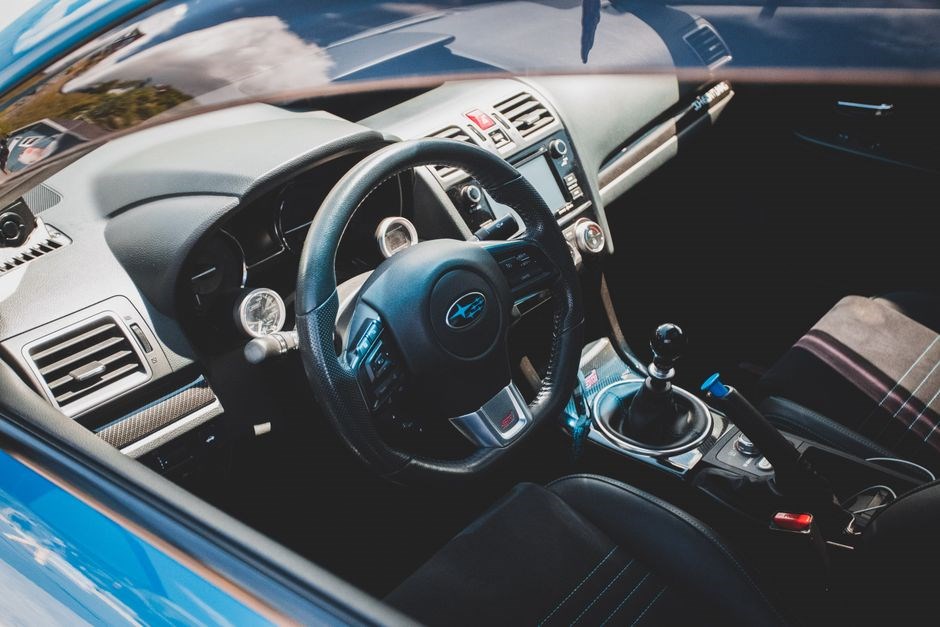
Driving Features
The 2017 Forester offers responsive steering, adaptive suspension, and all‑wheel drive for traction. Its torque‑vectoring system enhances cornering, while the infotainment hub provides navigation and connectivity. Safety tech includes lane‑assist and adaptive cruise control.

Transmission and Gear Selection
The 2017 Subaru Forester is equipped with a 6‑speed automatic transmission that provides smooth, responsive shifts and efficient power distribution across all four wheels. The transmission automatically selects the most appropriate gear based on engine RPM, throttle position, and vehicle speed, ensuring optimal performance and fuel economy. Drivers can manually override the automatic mode by using the gear selector lever located on the center console. The lever offers five forward gears plus a neutral position. For more precise control, the “Sport” mode can be engaged by pressing the button on the gear selector, which tightens shift points and reduces engine idle speed for a more engaging driving experience. The transmission also features a lock‑up torque converter that improves efficiency at highway speeds by eliminating slip between the engine and the transmission. In low‑speed or off‑road situations, the transmission automatically down‑shifts to provide higher torque and better traction. The vehicle’s all‑wheel‑drive system works in tandem with the transmission to distribute power to the wheels that need it most, enhancing stability and handling. Proper maintenance of the transmission fluid is essential; Subaru recommends changing the fluid every 30,000 miles or 48 months, whichever comes first, to maintain shift quality and prolong the life of the transmission. By understanding how the transmission and gear selection work, owners can maximize performance, fuel efficiency, and longevity of their Forester. This guide ensures safe and efficient operation.

Steering and Handling
The 2017 Subaru Forester delivers a steering, thanks to its rack and pinion system and the Electronic Power Steering (EPS) that adjusts assist levels based on speed. At low speeds, the EPS provides generous torque for tight maneuvers, while at highway speeds it reduces effort to keep the driver comfortable. The steering column is designed for a 10.5‑inch wheelbase and a 1.5‑turn lock to lock ratio, giving drivers a clear sense of road feedback. The Forester’s all‑wheel‑drive architecture works in harmony with the steering system to maintain traction, especially in slippery conditions. For off‑road adventures, the “Off‑Road” mode can be activated, which locks the center differential and adjusts the torque split to provide maximum grip. The vehicle’s suspension is a MacPherson strut front and a multi‑link rear, providing a balanced ride that keeps the wheels planted on uneven surfaces. The Forester’s steering geometry is optimized for both highway stability and urban agility, with a steering ratio of 15:1 at low speeds and 12:1 at higher speeds. By understanding these features, drivers can anticipate how the vehicle will behave under various conditions, ensuring safe and confident handling. When navigating winding roads, the Forester’s precise steering assists drivers by providing a clear, consistent feedback loop that allows subtle adjustments, while the electronic stability system mitigates oversteer and understeer tendencies, ensuring that even in challenging weather or on uneven terrain the vehicle remains predictable and secure!

Maintenance and Care
Regular maintenance keeps your 2017 Subaru Forester running smoothly. Check oil, coolant, and tire pressure every 3,000 miles. Replace air filters, brake pads, and wiper blades as needed. Follow the service schedule in the owner’s manual to avoid repairs and ensure performance.
Oil Change Schedule
For the 2017 Subaru Forester, Subaru recommends an oil change every 7,500 miles or 12 months, whichever comes first, when using synthetic blend oil. If you drive in severe conditions—such as frequent short trips, heavy traffic, or extreme temperatures—reduce the interval to 5,000 miles or 6 months. Use the oil type specified in the owner’s manual: 0W‑20 synthetic blend for most climates, 5W‑30 for hotter regions. At each service, check the oil level with the dipstick, inspect for leaks, and replace the oil filter. The filter should be changed with every oil change to maintain engine cleanliness. Keep a service log to track mileage and dates; this helps you stay on schedule and provides useful data for resale. If you notice a change in engine noise, oil consumption, or a warning light, consult a Subaru dealer promptly. Proper oil maintenance extends engine life, improves fuel economy, and ensures reliable performance. Remember to dispose of used oil responsibly by taking it to a recycling center or authorized service station. Following the schedule not only protects your vehicle but also preserves warranty coverage and resale value.

Regular oil changes keep your engine running smoothly and protect the vehicle’s longevity. Subaru recommends intervals that balance wear and fuel efficiency. By following you reduce costly repairs. Keep a detailed log of each service, noting mileage, oil type, and filter replacement. This record aids warranty claimsand resale negotiations. Use the correct oil viscosity for optimal lubrication and fuel economy.