
Manual Liquid Filling Machine: A Comprehensive Overview (04/09/2026)
Manual liquid filling machines streamline production, reducing operator fatigue while offering flexibility for diverse liquids and containers – ideal for smaller operations.
Manual liquid filling machines represent a foundational technology in the liquid packaging industry, offering a straightforward and cost-effective solution for businesses of varying sizes. These machines rely on human operation, requiring an operator to physically control the filling process, making them particularly well-suited for smaller production runs or situations demanding frequent product changeovers.
Unlike their automated counterparts, manual fillers excel in flexibility and adjustment capabilities, allowing operators to quickly adapt to different container types and volumes. This adaptability is a significant advantage when dealing with diverse product lines. Furthermore, manual machines shrink physical tiredness by mechanizing the filling operations, improving efficiency compared to entirely manual methods. They are a crucial stepping stone for companies beginning liquid product packaging, or those prioritizing hands-on control and minimizing initial investment.
What is a Manual Liquid Filling Machine?
A manual liquid filling machine is a device used to dispense precise volumes of liquid into containers, operated directly by a human operator. These machines typically consist of a hopper or reservoir to hold the liquid, a filling mechanism – often gravity-fed, piston-based, or peristaltic – and a dispensing nozzle.
The operator initiates and controls the filling process, often using a hand lever or pedal. Unlike automated systems, there’s no reliance on sensors, timers, or programmable logic controllers. They are designed for versatility, easily handling different liquids, from syrups to industrial chemicals, and accommodating various container sizes. They are ideal when smaller runs are efficiently managed, and operators can adjust techniques on the fly, making product switching less complex due to the equipment’s simplicity.
Benefits of Using Manual Liquid Filling Machines
Manual liquid filling machines offer several key advantages, particularly for businesses with varied production needs. A primary benefit is their flexibility and adjustment capabilities; operators can readily switch between different products and container types without extensive reprogramming or changeover procedures.
Furthermore, these machines significantly shrink physical tiredness by mechanizing the filling operation, compared to entirely manual pouring. They represent a cost-effective entry point for businesses starting or operating on a smaller scale, avoiding the substantial investment required for automated systems. They are well-suited for smaller production runs, offering a practical solution where high-speed automation isn’t necessary, and provide a streamlined liquid production operation.
Applications of Manual Liquid Filling Machines
Manual liquid filling machines find diverse applications across numerous industries. They are exceptionally well-suited for businesses handling a variety of liquids, from food-grade syrups to industrial chemicals, where frequent product changes are common. Smaller-scale operations, such as craft breweries, artisanal food producers, and cosmetic companies, frequently utilize these machines due to their adaptability.
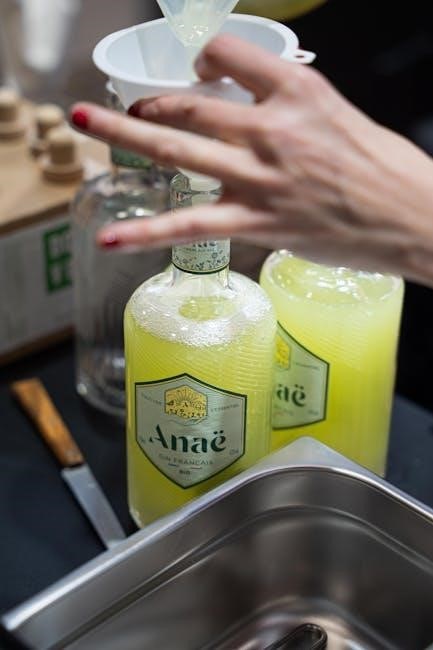
They are also ideal for filling smaller batches or specialized containers where automated systems would be inefficient. Applications extend to laboratories requiring precise dispensing of reagents, and businesses needing to fill unique or oddly shaped bottles. The ability to adjust volumes “on the fly” makes them perfect for pilot runs and product development, ensuring seamless operation tailored to specific needs.

Types of Manual Liquid Filling Machines
Manual liquid filling machines encompass gravity, piston, peristaltic, and syringe designs, each offering unique benefits for volumetric filling based on product needs.
Gravity Filling Machines
Gravity filling machines represent a simple yet effective method for dispensing liquids, relying on the force of gravity to control the flow. These machines are particularly well-suited for thin, free-flowing liquids like water, solvents, and certain oils, where precise volume control isn’t paramount. The process involves filling containers placed beneath a filling nozzle, with the liquid flowing until the desired level is reached or a sensor is triggered.
Their straightforward design translates to lower initial costs and ease of operation, making them a popular choice for smaller-scale operations or those with limited budgets. However, gravity fillers may struggle with viscous liquids or those containing particulates, as these can impede flow and affect accuracy. Adjustments are typically made by altering the fill height or utilizing different nozzle sizes to accommodate varying container dimensions and desired fill volumes. They are a foundational type within the manual filling landscape.
Piston Filling Machines
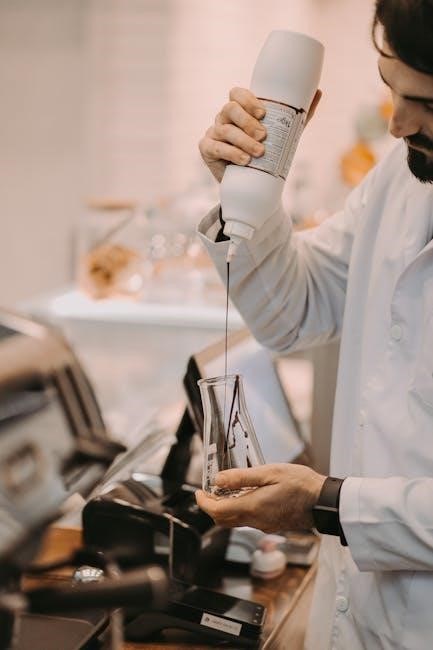
Piston filling machines excel in handling a wide range of liquid viscosities, from thin waters to thick pastes and creams. They operate by utilizing a piston within a cylinder to draw a precise volume of liquid and then dispense it into containers. This positive displacement method ensures consistent and accurate fills, regardless of the liquid’s characteristics. Manual piston fillers often feature adjustable stroke lengths, allowing operators to easily modify the fill volume for different container sizes or product requirements.
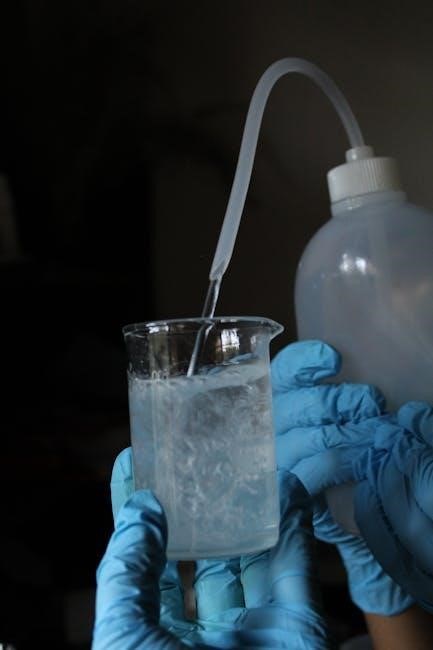
Compared to gravity fillers, piston machines offer greater control and versatility, making them suitable for applications demanding higher precision. They are commonly used in industries like cosmetics, pharmaceuticals, and food processing. While requiring slightly more maintenance than simpler gravity systems, their accuracy and adaptability make them a valuable asset for businesses needing reliable and repeatable filling performance.
Peristaltic Filling Machines
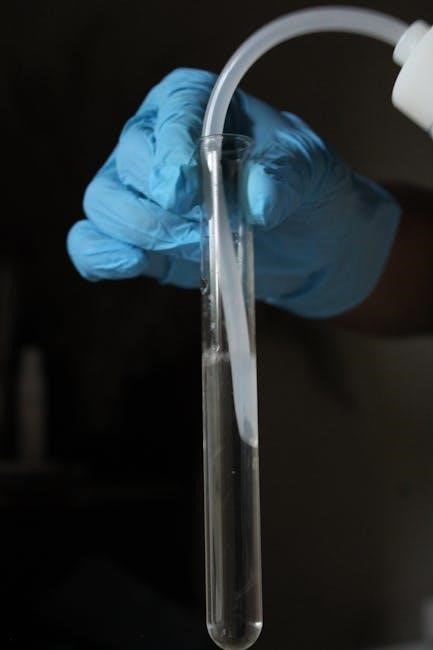
Peristaltic filling machines utilize rollers to compress a flexible tube, creating a pumping action that moves liquids without direct contact with the machine’s internal components. This design is particularly advantageous when handling sensitive, corrosive, or sterile fluids, as it eliminates the risk of contamination and ensures product integrity. Manual peristaltic fillers are ideal for low-volume applications and offer precise control over flow rates.
The absence of valves and seals minimizes maintenance and simplifies cleaning procedures. They are frequently employed in pharmaceutical, biotechnology, and food industries where hygiene is paramount. While generally slower than piston or gravity fillers, peristaltic machines provide a gentle pumping action, preserving the quality of shear-sensitive liquids. Adjusting fill volumes is typically achieved by controlling the pump speed or tube compression.
Syringe Filling Machines
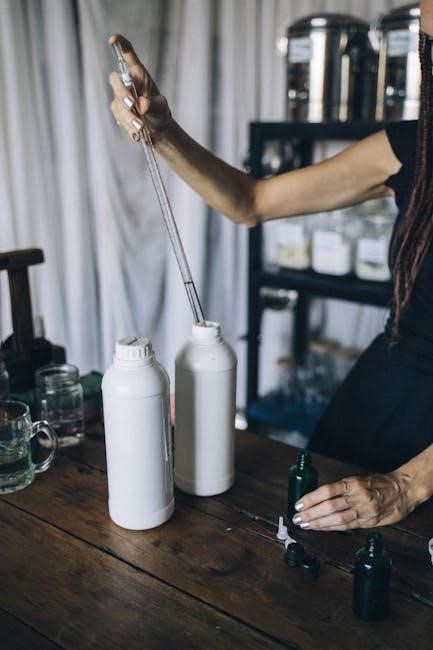
Syringe filling machines, in their manual form, offer exceptional precision for dispensing very small volumes of liquid, making them crucial in pharmaceutical, cosmetic, and laboratory settings. These machines operate by drawing a precise amount of liquid into a syringe barrel and then dispensing it into containers. Manual operation allows for careful control, particularly important when dealing with expensive or highly potent substances.
They are well-suited for applications requiring accurate micro-dosing and are often used for filling vials, ampoules, and other small containers. While slower than other filling methods, syringe fillers minimize waste and ensure consistent fill weights. Adjustments are typically made by altering the syringe volume or the dispensing speed. Cleaning is relatively straightforward, contributing to their appeal in regulated industries.

Key Considerations When Choosing a Machine
Selecting a manual machine requires evaluating production scale, liquid viscosity, container types, and material compatibility to ensure optimal performance and prevent contamination.
Production Scale and Throughput
Assessing production volume is crucial when considering a manual liquid filling machine. For smaller production runs, manual or semi-automatic options offer cost-effective efficiency. Operators can readily adjust volumes and switch between products, simplifying operations. However, as demand increases – exceeding thousands of units – automation becomes essential to maintain comfortable productivity rates.
Manual machines inherently limit throughput compared to automated systems. The speed is directly tied to operator efficiency. While suitable for low-volume, high-mix scenarios, scaling up necessitates exploring alternatives. Incorporating features like conveyor belts or multi-headed designs can incrementally improve throughput, but ultimately, automation provides the most significant gains for large-scale operations seeking sustained productivity.
Liquid Viscosity and Compatibility
The characteristics of the liquid being filled are paramount when selecting a manual filling machine. Viscosity significantly impacts flow rate and accuracy. Thicker liquids require more force to dispense, potentially necessitating piston or syringe-style fillers for precise control. Compatibility with the liquid is equally vital; materials of construction must resist corrosion and prevent contamination.
Choosing the right parts ensures seamless operation across diverse liquids, ranging from food-grade syrups to aggressive industrial chemicals. Stainless steel is a common choice due to its broad compatibility and ease of cleaning. However, specific liquids may demand specialized materials like Teflon or polypropylene. Careful consideration of these factors maximizes longevity and maintains product integrity, preventing unwanted reactions or degradation.
Container Types and Sizes
Manual liquid filling machines must accommodate a range of container types and sizes to maintain operational efficiency. The machine’s design should allow for quick changeovers between different containers – bottles, jars, pouches, or specialized vessels – without extensive adjustments. Flexibility is key, especially for businesses handling diverse product lines.
Operators can adjust techniques and volumes on the fly, and switching between different products or container types tends to be less complex due to the simplicity of the equipment. Consideration must be given to container height, diameter, and neck finish to ensure proper filling and prevent spills. Adaptability to varying container dimensions is crucial for maximizing throughput and minimizing downtime.
Material of Construction (Stainless Steel, etc.)
The material of construction is paramount for manual liquid filling machines, directly impacting product purity, longevity, and compatibility with various liquids. Stainless steel is the industry standard, offering exceptional corrosion resistance, hygiene, and durability – essential for food, beverage, pharmaceutical, and chemical applications.
The right parts prevent contamination while maximizing longevity across diverse liquids, from food-grade syrups to industrial chemicals. Other materials, like certain plastics or alloys, may be suitable for specific applications, but stainless steel generally provides the broadest compatibility. Choosing appropriate materials ensures seamless operation and adherence to stringent regulatory standards, safeguarding product quality and operator safety.
Advantages and Disadvantages Compared to Automatic Machines
Manual machines offer flexibility and simpler adjustments, but lack the speed and volume accuracy of automated systems, impacting large-scale production.
Flexibility and Adjustment Capabilities
Manual liquid filling machines truly excel in adaptability, a key advantage over their automated counterparts. Operators possess the unique ability to fine-tune techniques and volumes on the fly, responding swiftly to changing production needs. This inherent flexibility proves particularly valuable when frequently switching between different products or container types, as the simplicity of the equipment minimizes complex retooling procedures.
Unlike automated systems locked into pre-programmed settings, manual machines empower personnel to make immediate adjustments, ensuring optimal filling precision for each unique application. This hands-on control is especially beneficial for smaller production runs or businesses dealing with a diverse product portfolio, where rapid changeovers are essential for maintaining efficiency and responsiveness to market demands. The ease of adjustment translates directly into reduced downtime and increased operational agility.
Reduced Physical Strain for Operators
Manual liquid filling machines, despite requiring direct operator involvement, are designed to significantly diminish physical tiredness associated with liquid production. By mechanizing the core filling operation, these machines alleviate the repetitive strain and exertion previously demanded by entirely manual processes. This is a crucial benefit, contributing to improved operator comfort, reduced risk of work-related injuries, and enhanced overall employee well-being.
A custom-made manual liquid filling machine further optimizes ergonomics, tailoring the workflow to minimize awkward postures and strenuous movements. While still requiring human input, the machine handles the bulk of the physical work, allowing operators to focus on monitoring and quality control, rather than exhaustive manual labor. This leads to increased productivity and a more sustainable work environment.
Limitations in Speed and Volume Accuracy
Manual liquid filling machines, while versatile, inherently present limitations regarding speed and precision when contrasted with automated systems. Production throughput is directly tied to operator skill and physical endurance, making them less suitable for high-volume operations demanding consistent, rapid filling cycles. Achieving the same level of volume accuracy as automatic machines can also prove challenging.
Variations in operator technique and fatigue can introduce slight discrepancies in fill levels, potentially impacting product consistency and regulatory compliance. While skilled operators can minimize these variations, the inherent human element introduces a degree of imprecision. For applications requiring extremely precise fill volumes, or large-scale production runs, automated solutions generally offer superior performance and reliability.
Cost Comparison: Manual vs. Automatic
Manual liquid filling machines represent a significantly lower initial investment compared to their automatic counterparts. This makes them an attractive option for startups, small businesses, or those with limited capital expenditure budgets. The simplicity of manual machines also translates to lower maintenance costs, with fewer complex components requiring regular servicing or replacement.
However, a comprehensive cost analysis must consider long-term factors. Automatic machines, despite the higher upfront expense, often yield lower per-unit labor costs due to increased speed and reduced operator requirements. Furthermore, improved accuracy minimizes product waste and potential regulatory issues. While manual machines offer affordability initially, the total cost of ownership over time may favor automation for larger-scale operations.
Maintenance and Cleaning of Manual Filling Machines
Regular inspection and thorough cleaning procedures are crucial for preventing contamination and ensuring consistent, reliable performance of manual liquid filling machines.
Regular Inspection and Part Replacement
Consistent performance of a manual liquid filling machine hinges on a proactive maintenance schedule. Routine visual inspections should focus on identifying wear and tear on critical components like seals, valves, and hoses. Check for cracks, leaks, or any signs of deterioration.
Pay close attention to the piston or gravity feed mechanisms, ensuring smooth operation without obstructions. Regularly lubricate moving parts as recommended by the manufacturer to minimize friction and extend lifespan. Scheduled part replacement is equally vital; seals and O-rings, prone to wear, should be replaced periodically to maintain accurate filling volumes and prevent contamination.
Keep a log of all inspections and replacements for tracking purposes. Addressing minor issues promptly prevents them from escalating into costly repairs or production downtime, ultimately maximizing the machine’s operational efficiency and longevity.
Cleaning Procedures to Prevent Contamination
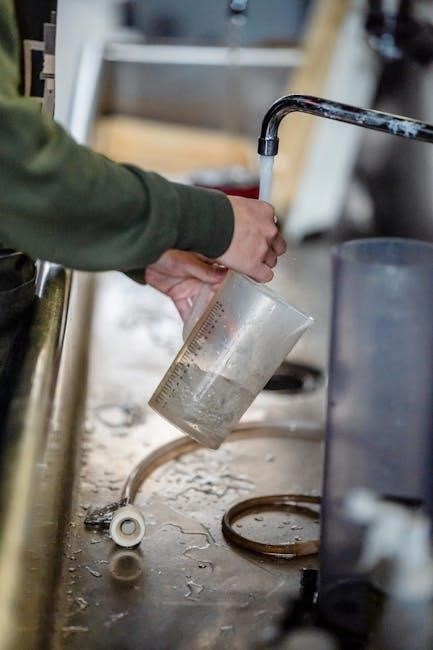
Maintaining hygiene is paramount when operating a manual liquid filling machine, especially in food, beverage, or pharmaceutical applications. Thorough cleaning after each use, or between product changes, is essential to prevent cross-contamination. Begin by disassembling all parts that come into contact with the liquid – nozzles, hoppers, and pistons.
Wash these components with a suitable cleaning solution, following the manufacturer’s guidelines and ensuring compatibility with the materials. Rinse thoroughly with purified water to remove any cleaning residue. For the machine’s exterior, use a mild detergent and avoid abrasive cleaners.
Sanitize all parts before reassembly, and document the cleaning process. Regular sanitization protocols, combined with diligent inspection, safeguard product integrity and comply with industry regulations.