

2016 Chevy Equinox Manual: A Comprehensive Guide
This guide details the 2016 Equinox’s features‚ controls‚ maintenance‚ and troubleshooting‚ ensuring a safe and informed driving experience for all owners.
Welcome to the 2016 Chevrolet Equinox! This compact SUV offers a blend of practicality‚ comfort‚ and efficiency‚ making it a popular choice for families and individuals alike. This manual serves as your comprehensive resource for understanding and operating your vehicle effectively. It covers everything from basic controls and features to detailed maintenance schedules and troubleshooting procedures.
The Equinox boasts a spacious interior‚ versatile cargo area‚ and a range of available technologies designed to enhance your driving experience. Familiarizing yourself with this manual will help you maximize the enjoyment and longevity of your 2016 Equinox. Always prioritize safety and adhere to the guidelines outlined within these pages for a secure and confident journey.
Understanding the Owner’s Manual
This owner’s manual is specifically designed for your 2016 Chevrolet Equinox and contains vital information regarding its operation and maintenance. Before driving‚ thoroughly review the sections on safety features‚ vehicle controls‚ and warning indicators. Pay close attention to the dashboard symbols; understanding these is crucial for identifying potential issues.
The manual is organized logically‚ allowing you to quickly locate information as needed. Utilize the index for specific topics. Remember‚ regular maintenance‚ as outlined in the scheduled maintenance section‚ is key to preserving your Equinox’s performance and value. Keep this manual readily accessible within the vehicle for future reference and safe travels!

Vehicle Controls & Features
Explore the 2016 Equinox’s intuitive controls‚ encompassing dashboard functions‚ seating adjustments‚ and the advanced infotainment system for a connected drive.
Dashboard Symbols and Indicators
Understanding the symbols illuminating your 2016 Chevy Equinox’s dashboard is crucial for safe operation. The instrument panel displays a variety of warning lights‚ indicator lights‚ and message centers.
Critical warning lights‚ often red or flashing‚ demand immediate attention – examples include low oil pressure‚ engine temperature‚ and brake system malfunctions. Amber or yellow indicators typically signal a potential issue requiring inspection‚ such as a check engine light or low tire pressure.
Green or blue lights generally indicate a system is actively engaged or functioning normally‚ like cruise control or high beams. Refer to your owner’s manual for a comprehensive list and detailed explanations of each symbol‚ ensuring you can quickly and accurately assess any alerts while driving.
Seat Adjustments and Safety Features
Proper seat adjustment is paramount for driver comfort and safety in your 2016 Chevy Equinox. Manually adjustable seats allow for fore/aft positioning‚ recline‚ and height adjustments. Power seats offer these features with electric controls‚ often including lumbar support adjustments for enhanced comfort.
The Equinox is equipped with a suite of safety features‚ including a standard airbag system – front‚ side‚ and curtain airbags – designed to protect occupants in various collision scenarios.
Always ensure all passengers are properly secured with seatbelts. The vehicle also features child safety seat anchors (LATCH system) for secure installation of child restraints. Familiarize yourself with these features and their proper usage as detailed in the owner’s manual.
Infotainment System Operation
The 2016 Chevy Equinox features a Chevrolet MyLink infotainment system‚ offering a 7-inch touchscreen display. This system controls audio‚ Bluetooth connectivity‚ smartphone integration (Apple CarPlay and Android Auto compatibility may vary by trim)‚ and available navigation.
Users can navigate through menus using the touchscreen or voice commands. Bluetooth allows for hands-free calling and audio streaming. USB ports enable connection of external devices for music playback.
The system also provides access to vehicle settings and OnStar services (subscription required). Refer to the owner’s manual for detailed instructions on pairing devices‚ customizing settings‚ and utilizing all available features of the MyLink system.

Driving Your 2016 Equinox

This section covers essential driving procedures‚ including starting‚ stopping‚ transmission operation‚ and understanding the vehicle’s steering and suspension characteristics.
Starting and Stopping the Engine

Starting the 2016 Equinox is straightforward: ensure the vehicle is in Park or Neutral‚ firmly press the brake pedal‚ and turn the ignition key to the ‘Start’ position. Release the key once the engine starts. For vehicles equipped with a push-button start‚ simply press the brake and then the start button.
To stop the engine‚ bring the vehicle to a complete stop‚ shift the transmission into Park‚ and turn the ignition key to the ‘Off’ position‚ or press the start/stop button. Always ensure the parking brake is engaged‚ especially on inclines. Avoid prolonged idling to conserve fuel and reduce emissions. Familiarize yourself with the engine’s normal operating sounds to quickly identify any unusual noises.
Transmission Operation (Automatic & Manual Modes)
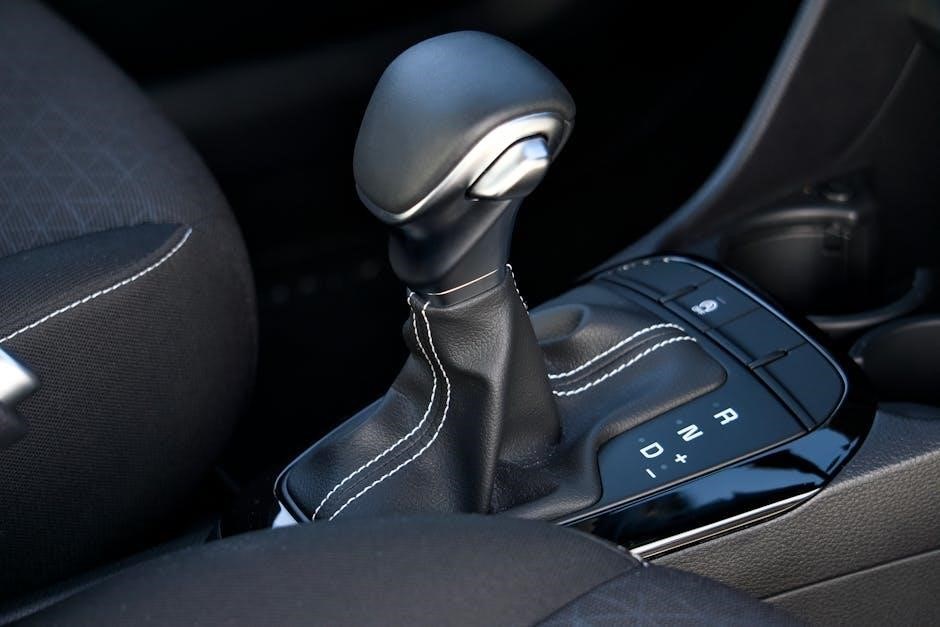
The 2016 Equinox primarily features a six-speed automatic transmission. In automatic mode (D)‚ the transmission selects the optimal gear for driving conditions. For more control‚ utilize the manual shift mode by moving the gear selector to ‘M’.
Within manual mode‚ gently tap the selector forward (+) to upshift or backward (-) to downshift. The transmission prevents gear selections that could damage the engine or transmission. Remember to return the selector to ‘D’ for fully automatic operation. Avoid aggressive downshifting at high speeds. Understanding these modes enhances driving enjoyment and efficiency.
Steering and Suspension
The 2016 Chevy Equinox utilizes an electric power-assisted steering (EPAS) system‚ offering responsive and fuel-efficient steering. EPAS adjusts assistance based on vehicle speed‚ providing lighter steering at low speeds for easier maneuvering and firmer steering at highway speeds for stability.
The suspension system consists of MacPherson struts in the front and a multi-link setup in the rear‚ designed for a comfortable ride and controlled handling. Regular inspection of suspension components is crucial for optimal performance. Listen for unusual noises and address any concerns promptly to maintain ride quality and safety.

Maintenance & Service
Regular maintenance is vital for your Equinox’s longevity and performance; this section outlines recommended schedules‚ fluid checks‚ and the TPMS system.
Recommended Maintenance Schedule
Maintaining your 2016 Chevy Equinox involves a structured schedule to ensure optimal performance and reliability. Every 7‚500 miles (or six months‚ whichever comes first)‚ an oil and filter change is crucial‚ utilizing the recommended oil type specified in your owner’s manual.
Tire rotation is also recommended at this interval to promote even wear and extend tire life. At 15‚000 miles‚ add a cabin air filter replacement to the routine. Inspecting brake pads‚ rotors‚ and fluid levels should occur annually‚ or every 15‚000 miles.
Further‚ coolant flushing is typically advised around 60‚000 miles‚ and spark plug replacement around 100‚000 miles. Always refer to the detailed maintenance schedule within your 2016 Equinox owner’s manual for specific recommendations tailored to your driving conditions and usage.
Checking Fluid Levels (Oil‚ Coolant‚ Brake Fluid)
Regularly checking fluid levels is vital for your 2016 Equinox’s health. For oil‚ park on a level surface‚ wait for the engine to cool‚ and use the dipstick – wipe clean‚ reinsert fully‚ then check the level‚ adding oil if needed.
Coolant levels should be checked when the engine is cold; never open the radiator cap when hot. Look at the coolant reservoir‚ ensuring the level is between the ‘Min’ and ‘Max’ marks.
Brake fluid is equally important. Locate the brake fluid reservoir (usually near the master cylinder) and check the level. If low‚ it could indicate a leak – consult a mechanic. Always use the specified fluid type for each system‚ as detailed in your owner’s manual.
Tire Pressure Monitoring System (TPMS)
Your 2016 Equinox features a Tire Pressure Monitoring System (TPMS) to enhance safety and fuel efficiency. The TPMS illuminates a warning light on the dashboard when tire pressure is significantly low. It’s crucial to check tire pressure monthly‚ even if the light isn’t on.
Refer to the sticker on the driver’s side doorjamb for the recommended tire pressure for your vehicle. Use a reliable tire pressure gauge to accurately measure the pressure in each tire‚ including the spare if equipped.
Properly inflated tires improve handling‚ braking‚ and tire lifespan. Remember to check pressure when tires are cold for the most accurate reading. Reset the TPMS after inflation‚ following the procedure in your owner’s manual.

Troubleshooting Common Issues
This section provides guidance on resolving typical 2016 Equinox problems‚ including jump starts‚ flat tires‚ and deciphering warning lights for quick fixes.
Jump Starting Procedures
If your 2016 Chevy Equinox battery is depleted‚ a jump start can get you going. First‚ ensure both vehicles are turned off. Connect the red (positive) cable to the positive terminal of the dead battery‚ then to the positive terminal of the good battery.
Next‚ connect the black (negative) cable to the negative terminal of the good battery‚ and finally‚ to a grounded metal surface on the Equinox – not the negative terminal of the dead battery.
Start the good vehicle and let it run for a few minutes. Then‚ attempt to start the Equinox. If it starts‚ let both vehicles run connected for several minutes before disconnecting the cables in the reverse order of connection.
Consult your owner’s manual for specific jump starting locations and safety precautions related to your Equinox model.
Dealing with a Flat Tire
If you experience a flat tire on your 2016 Chevy Equinox‚ safely pull over to a level surface away from traffic. Activate your hazard lights. Locate the spare tire‚ jack‚ and lug wrench – typically found in the rear cargo area.
Before jacking up the vehicle‚ loosen the lug nuts on the flat tire. Position the jack according to your owner’s manual’s instructions and raise the vehicle until the flat tire is off the ground.
Fully remove the lug nuts and the flat tire. Mount the spare tire‚ hand-tighten the lug nuts‚ lower the vehicle‚ and then fully tighten the lug nuts in a star pattern.
Check the spare tire’s pressure and have the flat tire repaired or replaced as soon as possible.
Warning Light Diagnostics
The 2016 Chevy Equinox utilizes a comprehensive system of warning lights to alert you to potential vehicle issues. A solid illumination indicates a current problem requiring attention‚ while a flashing light often signifies a more urgent situation.
The ‘Check Engine’ light could signal anything from a loose gas cap to a serious engine malfunction – consult a mechanic for diagnosis. The ‘ABS’ light indicates an issue with the anti-lock braking system.
A low tire pressure light signals insufficient pressure in one or more tires; check and inflate accordingly. The ‘Oil’ light indicates low oil pressure‚ requiring immediate attention to prevent engine damage.
Refer to your owner’s manual for a complete list and detailed explanations of all warning lights.
Safety & Emergency Information
This section covers crucial safety features like airbags‚ emergency braking procedures‚ and proper child safety seat installation for your 2016 Equinox.
Airbag System Information
The 2016 Chevy Equinox is equipped with an advanced airbag system designed to provide occupant protection during certain collisions. This system includes frontal airbags for both driver and front passenger‚ as well as seat-mounted side-impact airbags.
It’s crucial to understand that airbags are supplemental restraints and are most effective when used in conjunction with seat belts. Airbags deploy with significant force‚ and while designed to minimize injury‚ they can cause abrasions or minor injuries.
Never place anything in front of or near airbags‚ as this could interfere with deployment. Regularly inspect airbags for any signs of damage. The airbag system has a warning light on the instrument panel; if it illuminates‚ have the system inspected by a qualified technician immediately.
Emergency Brake Usage
The 2016 Chevy Equinox features both a standard service brake and an emergency brake‚ crucial for safe vehicle operation. The emergency brake‚ often a pedal located to the left of the driver’s seat or a handle‚ provides mechanical stopping power independent of the hydraulic service brakes.
Use the emergency brake if the service brakes fail or in situations requiring prolonged stopping power‚ such as descending steep hills. Apply the emergency brake gradually and firmly‚ avoiding sudden or jerky movements.
Regularly check the emergency brake’s functionality to ensure it’s properly adjusted and effective. A properly maintained emergency brake is a vital safety feature‚ offering an additional layer of security in critical driving scenarios.
Child Safety Seat Installation
Proper child safety seat installation is paramount for protecting young passengers in your 2016 Chevy Equinox. The Equinox is equipped with LATCH (Lower Anchors and Tethers for Children) anchors in the outboard rear seats‚ simplifying installation.
Always refer to both the child safety seat’s instruction manual and the Equinox owner’s manual for specific installation guidelines. Ensure the seat is securely anchored and doesn’t move more than one inch side-to-side or front-to-back when tested.
Never install a rear-facing child seat in front of an active airbag; Regularly inspect the installation to confirm it remains secure‚ and always follow age‚ weight‚ and height recommendations for the appropriate seat type.

Technical Specifications
This section outlines the 2016 Equinox’s engine details‚ dimensions‚ and capacities‚ providing crucial data for understanding vehicle performance and limitations.
Engine Specifications & Performance
The 2016 Chevy Equinox offered a choice of two engines. The standard engine was a 2.4-liter four-cylinder producing 182 horsepower and 172 lb-ft of torque‚ paired with a six-speed automatic transmission. For those seeking more power‚ a 3.6-liter V6 engine was available‚ delivering 301 horsepower and 272 lb-ft of torque‚ also coupled with a six-speed automatic.
Fuel economy varied depending on the engine and drivetrain. The 2.4L engine achieved an EPA-estimated 22 mpg city / 32 mpg highway (FWD)‚ while the 3.6L V6 offered 17 mpg city / 24 mpg highway (FWD). Performance metrics included a 0-60 mph time of around 8.5 seconds for the four-cylinder and approximately 6.8 seconds for the V6 model. Towing capacity reached up to 3‚500 pounds when properly equipped with the V6 engine.
Dimensions and Capacities

The 2016 Chevy Equinox boasts generous dimensions for passenger and cargo space. It measures 185.3 inches in length‚ 73.4 inches in width‚ and 65.8 inches in height. The wheelbase is 107.2 inches‚ contributing to a comfortable ride. Passenger volume totals 103.5 cubic feet‚ accommodating up to five adults comfortably.
Behind the second-row seats‚ cargo capacity reaches 31.4 cubic feet. Folding the second-row seats flat expands cargo space to a substantial 63.7 cubic feet. The fuel tank capacity is 18.5 gallons. Curb weight varies depending on the trim and engine‚ ranging from approximately 3‚333 to 3‚791 pounds. Ground clearance is 7.9 inches‚ suitable for most road conditions.