

Understanding Hoodie Sizing: A Comprehensive Guide
Navigating hoodie sizes requires understanding your measurements – neck, shoulders, chest, waist, sleeves, and hips – and comparing them to specific brand charts for a perfect fit.
Why Hoodie Sizing Matters

Choosing the correct hoodie size is paramount for both comfort and style. An ill-fitting hoodie can detract from your overall look and feel incredibly uncomfortable. Too small, and it restricts movement, feels constricting, and may even appear disproportionate. Conversely, a hoodie that’s too large can look sloppy, overwhelm your frame, and lose its intended shape.
Accurate sizing ensures a flattering silhouette and allows for layering without feeling bulky. Considering that returns are frequently due to size issues – particularly hoodies being too big – taking the time to measure yourself and consult size charts is a worthwhile investment. It avoids the hassle of returns and exchanges, saving you time and potential frustration. Ultimately, proper sizing elevates your hoodie experience, providing a garment that looks and feels great.
Common Hoodie Fit Issues
Several common fit issues plague hoodie purchasers. A frequent complaint is the too-large problem, evidenced by high return rates for styles like the Cloud Hoodie, where customers often mistakenly size up. This results in a baggy, unflattering appearance, losing the intended streamlined look.

Conversely, hoodies can be too small, causing tightness across the chest and shoulders, restricting arm movement, and potentially leading to discomfort. Sleeve length is another frequent issue; sleeves that are too short appear awkward, while excessively long sleeves can be cumbersome. Shoulder seams sitting incorrectly, or a hood that’s either too tight or excessively loose, also contribute to poor fit. Understanding these potential pitfalls is crucial when selecting a hoodie, emphasizing the importance of accurate measurements and careful chart review.
Taking Accurate Measurements
Precise measurements are the cornerstone of successful hoodie sizing. Begin by measuring your neck, using a flexible measuring tape, ensuring it sits comfortably at the base of your neck. Next, measure your shoulders – the distance from one shoulder point to the other.
For your chest, measure around the fullest part, keeping the tape horizontal. Don’t pull the tape too tight! Accurately determine your sleeve length by measuring from the shoulder seam down to your wrist. Finally, measure your waist and hips, ensuring the tape is level.
It’s best to have a friend assist for greater accuracy. Record all measurements in inches or centimeters, and then directly compare them to the specific size chart provided by the hoodie’s manufacturer. Remember, consistency in measurement technique is key!
Measuring Your Chest
Accurately measuring your chest is crucial for a comfortable hoodie fit. Stand naturally and relax your arms at your sides. Wrap a flexible measuring tape around the fullest part of your chest, typically across the nipples. Ensure the tape measure is level all the way around your body – not angled up or down.
Don’t pull the tape too tightly; it should be snug but allow for comfortable breathing; It’s helpful to have a friend assist to ensure accurate placement and reading of the measurement.
Take the measurement while exhaling normally. Record the measurement in inches or centimeters. This chest measurement will be a primary factor when comparing your body dimensions to the hoodie’s size chart. Remember to consult the specific brand’s chart, as chest sizes can vary!
Measuring Your Shoulders
Determining your shoulder width is vital for ensuring a hoodie doesn’t feel restrictive or awkwardly sized. To measure, find the outermost point of one shoulder (where a shoulder seam would typically sit). Then, measure across your back to the outermost point of the opposite shoulder.
Keep the measuring tape straight and level; avoid curving it with your body’s natural contours. It’s best to have someone else assist with this measurement to ensure accuracy. Stand relaxed with your arms hanging naturally at your sides during the process.
Record the measurement in inches or centimeters. This shoulder measurement, combined with your chest measurement, will help pinpoint the ideal hoodie size, particularly for styles with a more fitted silhouette. Always cross-reference with the brand’s specific size guide!
Measuring Your Sleeve Length
Accurately measuring your sleeve length is crucial for a comfortable hoodie fit, preventing sleeves that are too short or excessively long. Start at the center back of your neck, where a shoulder seam would naturally fall. Then, measure along your shoulder, down the outside of your arm, and finish at your wrist bone.
Keep your arm slightly bent during measurement, as a fully extended arm can alter the length. It’s helpful to have assistance for a more precise reading. Ensure the measuring tape remains taut but not constricting. Record the measurement in inches or centimeters.
This measurement is particularly important for raglan-style hoodies, where sleeve length impacts overall fit. Compare your sleeve length to the brand’s size chart to avoid sleeves that bunch or restrict movement. A proper sleeve length enhances both comfort and style!
Decoding Size Charts
Understanding hoodie size charts is paramount to selecting the correct fit, as sizing varies significantly between brands and styles. These charts typically list measurements corresponding to sizes like Small, Medium, Large, and XL, but don’t rely solely on standard sizing.
Focus on the actual garment measurements – chest, length, and sleeve length – rather than simply your usual size. Compare your personal measurements (taken accurately!) to the chart’s specifications. Pay attention to whether the chart indicates a ‘classic’ or ‘slim’ fit, as this impacts how the hoodie will drape.
Different brands may use slightly different measurement techniques, so always consult the specific chart for the hoodie you’re considering. Don’t hesitate to size up if you’re between sizes, especially if you prefer a looser fit or anticipate shrinkage after washing.
Men’s Hoodie Size Charts
Men’s hoodie size charts generally correlate a size 38 with a Medium. However, relying on this alone is insufficient. Charts typically detail chest circumference, sleeve length, and hoodie length for each size (S, M, L, XL, XXL, etc.). A Medium usually fits chest sizes 38-40 inches, while Large accommodates 42-44 inches.
Shoulder width is also a crucial measurement, often overlooked. Ensure the shoulder seams align comfortably with your natural shoulder line. Sleeve length should reach your wrist bone, allowing for comfortable movement. Pay close attention to the ‘fit’ description – classic, slim, or oversized – as this influences the overall dimensions.
Always prioritize checking the specific brand’s chart, as variations are common. Some brands run smaller or larger than others. If your chest measurement falls between sizes, consider sizing up for a more relaxed fit, especially if you prefer layering.
Women’s Hoodie Size Charts
Women’s hoodie sizing differs from men’s, often utilizing sizes like XS, S, M, L, XL. Charts focus on bust, waist, and hip measurements, alongside hoodie length and sleeve length. A size Small typically fits a bust of 34-36 inches, while Medium accommodates 36-38 inches. However, these are general guidelines.
Shoulder measurements are equally important for a comfortable fit, ensuring seams don’t dig in. Sleeve length should ideally reach the wrist. Women’s hoodies often have a more fitted silhouette through the shoulders and waist, so consider your body shape when selecting a size.
Brand-specific charts are vital, as sizing varies considerably. If you’re between sizes, it’s generally advisable to size up, particularly for oversized styles. Consider whether you intend to layer clothing underneath, which may necessitate a larger size for optimal comfort and mobility.
Understanding Different Hoodie Styles
Hoodie styles significantly impact sizing choices. Classic fit hoodies offer a relaxed, traditional silhouette, generally true to size, allowing comfortable layering. Slim fit hoodies are designed to be more fitted, hugging the body closer; consider sizing up if you prefer a looser feel or broader shoulders.
Oversized hoodies are intentionally larger, providing a baggy, trendy look. These often require downsizing, as the extra fabric creates a voluminous shape. When choosing an oversized hoodie, consider the desired level of “bagginess” and your personal preference for length and sleeve drop.
Beyond these core styles, variations like cropped hoodies or those with unique cuts further influence fit. Always consult the specific brand’s size chart, noting details about the garment’s intended silhouette. Understanding the style is crucial for selecting the correct size and achieving the desired aesthetic.
Classic Fit Hoodies
Classic fit hoodies represent a timeless and versatile style, prioritizing comfort and a relaxed silhouette. These hoodies generally offer a straightforward sizing experience, typically running true to size. However, considering your layering preferences is key. If you intend to wear the hoodie over multiple layers, opting for a size up can provide added comfort and freedom of movement.
The classic fit is characterized by a looser cut through the body and sleeves, avoiding a tight or restrictive feel. This makes them ideal for everyday wear and casual activities. When reviewing size charts, focus on chest and shoulder measurements to ensure a comfortable, non-constricting fit.
Remember that variations can occur between brands, so always consult the specific size guide provided by the manufacturer. A classic fit aims for a balanced look – not too tight, not overly baggy – offering a universally flattering style.

Slim Fit Hoodies
Slim fit hoodies are designed to provide a more tailored and modern aesthetic, closely following the body’s contours. Unlike classic fits, these hoodies generally require more careful consideration when selecting a size. They typically run smaller, so sizing up is often recommended, especially if you prefer a less restrictive feel or plan to layer clothing underneath.
The defining characteristic of a slim fit is its narrower cut through the chest, waist, and sleeves. This creates a more streamlined silhouette, but can also feel constricting if the size is too small. Prioritize chest and shoulder measurements when consulting the size chart, ensuring adequate room for movement.
Be mindful of fabric composition; stretchier materials may offer a more forgiving fit. Always check brand-specific sizing guides, as slim fit definitions can vary. If you’re between sizes, it’s generally safer to choose the larger size for optimal comfort.
Oversized Hoodies
Oversized hoodies are intentionally designed with a loose and relaxed fit, offering maximum comfort and a trendy, contemporary style. Selecting the correct size for an oversized hoodie differs significantly from traditional fits; often, intentionally choosing a size up from your usual is recommended to achieve the desired look.

The key to nailing the oversized aesthetic lies in balancing comfort and proportion. While a larger size is typical, avoid going excessively large, as it can appear sloppy. Consider your body type and desired level of looseness. Shoulder width is a crucial measurement, ensuring the hoodie doesn’t appear awkwardly dropped.
Pay attention to length – oversized hoodies often feature a longer body and sleeves. Brand sizing varies considerably, so always consult the specific size chart. Many prefer a deliberately roomy fit, but ensure it doesn’t compromise mobility or overall style.
Brand-Specific Sizing Variations
Hoodie sizing isn’t standardized across all brands; significant variations exist, making it crucial to consult each brand’s unique size chart before purchasing. What constitutes a “Medium” in one brand can differ substantially from another. Some brands run smaller, requiring you to size up, while others are more generously cut.
Factors contributing to these differences include the brand’s target demographic, design philosophy, and manufacturing processes. Premium brands often prioritize a more tailored fit, whereas streetwear brands may favor looser, oversized styles. Online retailers frequently provide customer reviews mentioning sizing discrepancies, offering valuable insights.
Cloud Hoodies, for example, commonly experience returns due to sizing issues, with customers often finding them too large. Always prioritize checking the specific measurements provided by the brand, rather than relying solely on generic size guides. Comparing your measurements to the brand’s chart is the most reliable method for ensuring a proper fit.
Return and Exchange Policies (Due to Sizing)
Given the prevalence of sizing issues with hoodies, understanding a retailer’s return and exchange policy is paramount before making a purchase. Many online stores offer hassle-free returns, allowing you to exchange a poorly fitting hoodie for a different size, often with free return shipping.
However, policies vary significantly. Some retailers may only offer store credit, while others might have time limits for returns or require the item to be unworn and with original tags attached. Always review the specific terms and conditions on the retailer’s website before completing your order.

Cloud Hoodies, frequently returned due to sizing, highlight the importance of a flexible return policy. Knowing your options if the initial size doesn’t fit provides peace of mind. Keep records of your order and the return process to ensure a smooth exchange or refund.
Tips for Choosing the Right Size
Selecting the ideal hoodie size extends beyond simply knowing your chest measurement. Consider the fabric weight; heavier materials may feel smaller, requiring a size up for comfortable movement. Always account for potential shrinkage after washing, especially with cotton blends – opting for a slightly larger size initially can prevent disappointment.
Think about your desired fit. Do you prefer a snug, athletic look, or a relaxed, comfortable feel? Slim-fit hoodies generally require a closer size match, while oversized styles allow for more leeway. If you’re between sizes, it’s often best to choose the larger option, particularly if you plan to layer clothing underneath.
Finally, remember that sizing can vary between brands, so always consult the specific size chart provided by the retailer. Prioritize accurate measurements and a clear understanding of your preferred fit to ensure a satisfying purchase.
Considering Fabric Weight
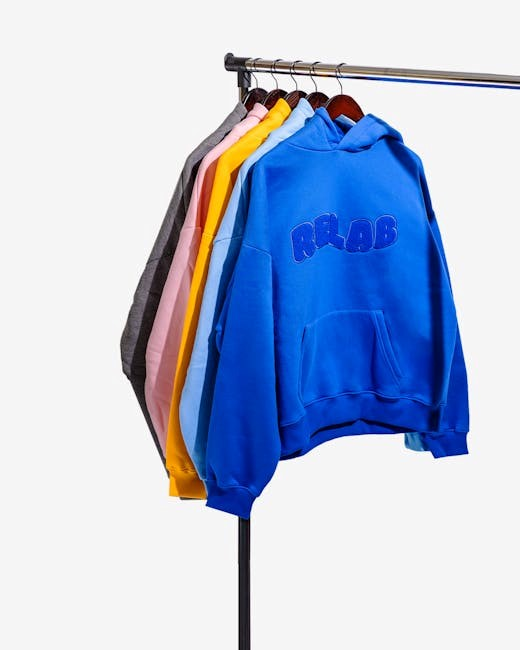
The weight of a hoodie’s fabric significantly impacts how it fits and feels. Lighter-weight hoodies, often made from thinner cotton or fleece, tend to drape more loosely and may run truer to size. However, heavier-weight hoodies, constructed from thicker materials like heavyweight fleece or French terry, can feel more substantial and potentially smaller, even if labeled the same size.
When choosing a heavier hoodie, it’s often advisable to size up, especially if you prefer a relaxed fit or plan to layer clothing underneath. The added bulk of the fabric can restrict movement if the hoodie is too snug. Conversely, a lighter-weight hoodie might not require sizing up unless you specifically want a looser silhouette.
Always check the fabric composition and weight (measured in grams per square meter ⸺ GSM) listed in the product description to get a better understanding of how the hoodie will fit.
Account for Shrinkage
A crucial factor often overlooked when selecting a hoodie size is potential shrinkage after washing. Natural fibers like cotton are particularly prone to shrinking, especially during the first few washes. While pre-shrunk fabrics minimize this issue, it’s still wise to anticipate some degree of reduction in size.
To mitigate shrinkage concerns, consider purchasing a hoodie slightly larger than your usual size. This allows for some contraction without rendering the garment unwearable. Always check the care label for washing instructions; using cold water and avoiding high heat in the dryer can significantly reduce shrinkage.
Hoodies containing synthetic blends (like polyester) generally shrink less than 100% cotton options. However, even blended fabrics can experience minor shrinkage. Prioritizing proper care and potentially sizing up are proactive steps towards ensuring a comfortable and lasting fit.
Hoodie Size Equivalents (International)
When purchasing hoodies from international brands, understanding size conversions is paramount. Size designations vary significantly between regions, leading to potential fit issues if not addressed. A US size Medium, for example, doesn’t necessarily equate to a Medium in Europe or Asia.
Generally, US sizes tend to run larger than European sizes. A US Medium often corresponds to a European Large. Asian sizes, particularly from brands in China and Japan, frequently run smaller; a US Medium might require an Asian XL or even XXL for a comparable fit.
Always consult the brand’s specific size chart, as variations exist even within regions. Look for charts that provide measurements in both inches and centimeters. Paying attention to these details prevents the frustration of receiving a hoodie that doesn’t fit, and minimizes return/exchange hassles.